

Introduction
In 2025, plant-based eating isn’t just a dietary choice—it’s a global lifestyle movement driven by health, sustainability, and ethical concerns. Whether for wellness, environmental impact, or animal welfare, more people than ever are embracing plant-based diets. What was once a fringe trend has evolved into a mainstream nutritional shift across all demographics, from elite athletes to busy professionals and even children.
This blog dives deep into the rise of plant-based diets, their health benefits, key trends, top products, and how to make the transition for a healthier, more sustainable life.
1. What Is a Plant-Based Diet?
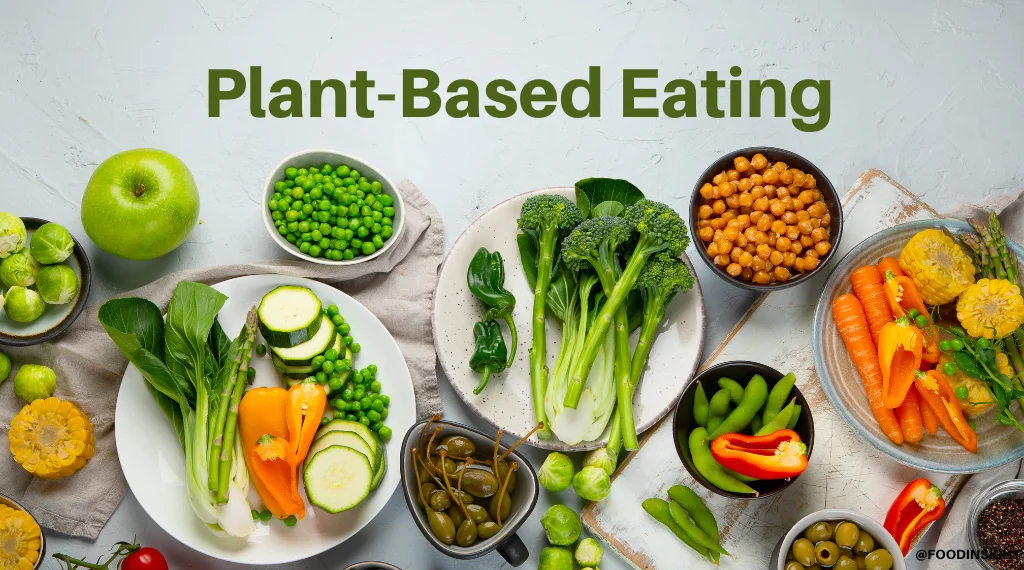
A plant-based diet focuses on foods primarily from plants: fruits, vegetables, nuts, seeds, oils, whole grains, legumes, and beans. It minimizes or eliminates animal products such as meat, dairy, and eggs.
Key Variations:
- Vegan: No animal products at all
- Vegetarian: Includes dairy and/or eggs
- Flexitarian: Primarily plant-based with occasional meat
- Whole-food plant-based: Focused on unprocessed, whole foods
2. Why the Surge in 2025?
Several driving forces have accelerated plant-based adoption:
🌍 a) Environmental Awareness
- Livestock farming contributes up to 14.5% of global greenhouse gases
- Plant-based diets use 77% less land and 82% less water than meat-based diets
💪 b) Health Benefits
Scientific studies link plant-based diets to:
- Lower risk of heart disease, Type 2 diabetes, and certain cancers
- Better digestion and gut health
- Weight management and reduced inflammation
🧠 c) Ethical Reasons
Animal cruelty, factory farming, and antibiotic use in livestock are causing many to reevaluate their food choices.
💼 d) Corporate & Celebrity Endorsement
Influencers, athletes (like Novak Djokovic), and companies like Google and IKEA are promoting plant-forward meals in cafeterias and events.
3. Nutritional Benefits of a Plant-Based Diet
| Benefit | Explanation |
|---|---|
| 🌿 Fiber-Rich | Improves digestion, stabilizes blood sugar |
| ❤️ Heart-Healthy | Low in cholesterol and saturated fats |
| ⚖️ Weight Friendly | Promotes satiety, reduces calorie intake |
| 🔋 Energizing | High in antioxidants, vitamins, and minerals |
| 🧬 Anti-Inflammatory | Reduces chronic inflammation and oxidative stress |
However, a balanced plant-based diet must ensure intake of B12, iron, calcium, omega-3s, and protein through fortified foods or supplements.
4. Top Nutrition Trends in 2025
🥥 a) Rise of Clean-Label Plant Foods
Consumers demand short ingredient lists with recognizable items—no additives, colors, or synthetic preservatives.
🥬 b) Whole-Food Plant-Based Eating
Focus shifts from mock meats to real foods like:
- Lentils, quinoa, chickpeas
- Sweet potatoes, leafy greens, berries
- Nuts, seeds, and ancient grains
🧪 c) Plant-Based Functional Foods
Foods enhanced with health-boosting ingredients like:
- Adaptogens (ashwagandha, reishi)
- Prebiotics & probiotics
- Turmeric, ginger, moringa
🧫 d) Fermented Plant Foods
A surge in popularity of kombucha, kimchi, tempeh, and fermented nut cheeses due to their gut-boosting benefits.
🍗 e) Next-Gen Plant-Based Meats
New products closely mimic taste, texture, and aroma of meat using AI-designed proteins and clean fermentation.
5. Best Plant-Based Protein Sources
| Source | Protein per 100g |
|---|---|
| Lentils | 9g |
| Chickpeas | 8.9g |
| Tofu (firm) | 10g |
| Tempeh | 19g |
| Seitan | 25g |
| Quinoa | 4.4g |
| Almonds | 21g |
Tip: Combining grains + legumes (e.g., rice + beans) provides all essential amino acids.
6. Top Plant-Based Brands in 2025
🥩 a) Beyond Meat 3.0
New formulation with 60% less sodium and 100% clean-label ingredients
🧀 b) Miyoko’s Creamery
Leads in artisan vegan cheeses made from cashew milk
🌯 c) Eat Just
Offers mung bean-based egg replacers and plant-based mayo
🥛 d) Oatly & NotMilk
Barista-friendly milks that froth like dairy and are fortified with calcium and B12
🥚 e) Zero Egg
Vegan scrambled egg alternative used in fast food chains globally
7. Making the Transition: How to Start
✅ a) Start with One Meal
Begin with “Meatless Mondays” or a plant-based breakfast routine.
✅ b) Stock Essentials
Have a pantry filled with lentils, oats, chickpeas, flaxseeds, and frozen vegetables.
✅ c) Explore New Recipes
Use platforms like Forks Over Knives, Minimalist Baker, and PlantYou for simple, delicious meals.
✅ d) Supplement Smartly
Consider a B12 supplement and test your iron and vitamin D levels annually.
8. Challenges & Misconceptions
❌ a) “You won’t get enough protein”
Plant foods can easily meet protein needs with variety and proper planning.
❌ b) “It’s expensive”
Whole grains, legumes, and local veggies are cheaper than processed meats and packaged snacks.
❌ c) “It’s boring”
Cuisines like Indian, Mediterranean, Thai, and Mexican offer endless plant-based dishes full of flavor.
9. What to Watch Out for in Labels
| Term | Meaning |
|---|---|
| Vegan | No animal products |
| Plant-Based | Primarily plants, may not be 100% vegan |
| Fortified | Nutrients like B12 or iron are added |
| Organic | No synthetic pesticides or GMOs |
| Non-GMO | No genetically modified organisms |
10. Global Movements and Initiatives
🌱 a) EAT-Lancet Planetary Diet
Encourages eating patterns that are both healthy and sustainable, with reduced meat and dairy intake.
🌎 b) Veganuary
Millions worldwide now participate in trying veganism for January.
🏫 c) Plant-Based School Menus
Countries like the UK, Canada, and India are testing plant-based school meals to promote health and sustainability.
11. The Future of Plant-Based Living
🔬 a) Lab-Grown & Cultured Plant Hybrids
Combining real meat cells with plant bases for better taste and nutrition
🤖 b) AI-Created Nutrition Plans
Apps like Zoe, Yuka, and Chronometer AI analyze blood sugar, microbiome, and metabolism for custom plant-based meal plans.
🌾 c) Regenerative Farming Support
Brands are sourcing from farms that restore soil health and reduce emissions.
Conclusion
Plant-based diets in 2025 are more accessible, affordable, and delicious than ever before. Backed by science and supported by innovation, they are not just a passing fad—they represent a permanent shift toward healthier people and a healthier planet.
Whether you’re going full vegan, cutting back on meat, or simply exploring your options, every plant-based meal is a step toward a more sustainable future.