

Introduction
As we step into 2025, sustainable fashion has evolved from a niche concept to a global movement. With the fashion industry accounting for nearly 10% of global carbon emissions, consumers, brands, and governments are rethinking how clothing is produced, marketed, and consumed. No longer just about looking good, fashion today must also do good—for the planet, workers, and future generations.
This blog explores the meaning of sustainable fashion, the practices behind it, the brands leading the way in 2025, and how consumers can make informed choices without compromising style.
1. What Is Sustainable Fashion
Sustainable fashion refers to clothing, accessories, and production processes that minimize environmental impact and promote social responsibility. It goes beyond organic fabrics—encompassing the full lifecycle of a product, from raw materials to final disposal.
Core principles of sustainable fashion:
- Eco-friendly materials (e.g., organic cotton, hemp, bamboo)
- Ethical labor practices
- Minimal water and chemical use
- Waste reduction and recycling
- Slow fashion instead of fast fashion
2. Why Is It Urgent in 2025?
The urgency for sustainable fashion has never been greater due to several factors:
a) Environmental Crisis
The fashion industry consumes 93 billion cubic meters of water annually and contributes to ocean microplastic pollution through synthetic fibers.
b) Waste Generation
Over 92 million tons of textile waste is generated each year. Many clothes are worn only a few times before ending up in landfills or incinerators.
c) Human Rights Violations
Fast fashion relies heavily on low-cost labor, often involving poor working conditions, child labor, and unfair wages.
d) Consumer Awareness
Gen Z and Millennials, who prioritize climate action, now form a major chunk of the fashion market, demanding transparency, traceability, and responsibility from brands.
3. Innovations Driving Sustainable Fashion
2025 has brought about innovative technologies and practices that are transforming how we create and consume fashion:
a) Circular Fashion
Brands are moving from a linear model (produce-use-dispose) to a circular model (produce-use-repair-reuse-recycle). Clothing resale, rental, and upcycling are booming.
b) Bio-Based and Lab-Grown Materials
Startups are developing materials like:
- Mycelium leather (from mushrooms)
- Orange fiber silk (from citrus peels)
- Spider silk (lab-grown for durability)
These replace environmentally damaging materials like polyester and animal leather.
c) Waterless Dyeing Technologies
New techniques like CO₂ dyeing and plasma treatment allow for vivid coloring without toxic chemicals or excessive water use.
d) Digital Fashion
With the rise of metaverse and AR, digital-only fashion reduces physical waste and caters to virtual identities.
4. Top Sustainable Fashion Brands in 2025
Here are 10 pioneering brands leading the charge toward eco-friendly fashion this year:
1. Patagonia (USA)
- Known for its environmental activism
- Offers repairs and resale through “Worn Wear”
- Uses 100% organic cotton, recycled materials
2. Stella McCartney (UK)
- High-end luxury brand focused on cruelty-free fashion
- Uses vegan leather and biodegradable fabrics
- Transparent about supply chain impact
3. Pangaia (UK)
- Science-based fashion label
- Uses seaweed fiber, recycled cotton, and peppermint oil to reduce laundry frequency
- Offers carbon-negative collections
4. Eileen Fisher (USA)
- Timeless women’s apparel using organic and regenerative fabrics
- Offers a “Renew” program for taking back used clothes
5. Nudie Jeans (Sweden)
- Offers free lifetime repairs
- Made with 100% organic cotton
- Transparent production in Europe
6. For Days (USA)
- Fully closed-loop system: buy, return, recycle
- Offers a “Take Back Bag” for textile waste collection
7. Rapanui (UK)
- Uses renewable energy in factories
- Products made on demand to reduce waste
- Open-source supply chain transparency
8. Amour Vert (USA)
- “Green Love” in French, uses sustainable fabrics like Tencel and modal
- Plants a tree with every purchase
9. Outland Denim (Australia)
- Trains and employs women rescued from human trafficking
- Focus on transparency, organic denim, ethical sourcing
10. Bhane (India)
- Urban Indian label focusing on slow fashion
- Uses locally sourced fabrics and low-waste production
5. Budget-Friendly Sustainable Fashion Options
Sustainable fashion is often seen as expensive, but new brands are bridging the gap:
- ThredUp and Poshmark (USA): Second-hand clothing marketplaces
- H&M Conscious Collection (Global): Affordable sustainable line using recycled fabrics
- Uniqlo’s RE.UNIQLO: Clothing repair and reuse program
- Zara Join Life: Zara’s eco-conscious sub-label focusing on traceability
6. Role of Consumers in 2025
You, the consumer, have power. Here’s how you can contribute:
a) Buy Less, Choose Well
Shift from impulse buying to intentional shopping. Ask yourself:
- Will I wear this at least 30 times?
- Is this versatile and long-lasting?
b) Support Ethical Brands
Research brands’ sustainability ratings through tools like:
- Good On You
- B Corporation Certifications
- Sustainable Apparel Coalition’s Higg Index
c) Embrace Second-Hand Fashion
Thrift shopping, vintage finds, and rental services reduce the need for new production.
d) Wash and Dispose Responsibly
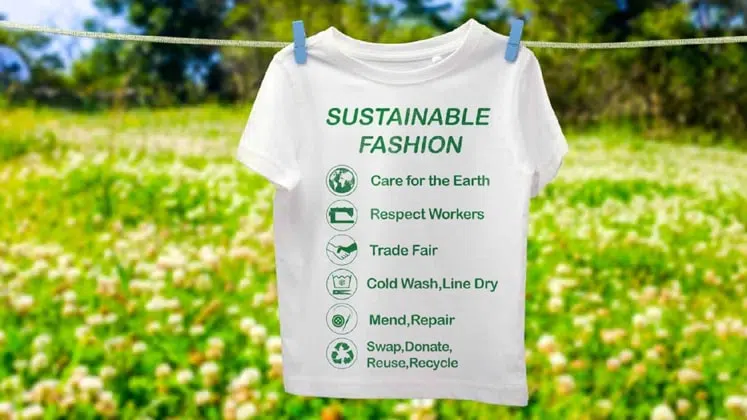
Use cold water, eco-friendly detergents, and air dry clothes. Donate or recycle rather than discard.
7. Challenges in Achieving True Sustainability
Even brands with the best intentions face obstacles:
a) Greenwashing
Many brands claim to be sustainable without real actions. This confuses and misleads customers.
b) Supply Chain Complexity
Tracking ethical sourcing from raw material to shelf is still difficult and costly.
c) Consumer Demand vs. Production Cost
Many consumers still prioritize price over ethics, forcing brands to balance sustainability with affordability.
8. Policy and Regulation in 2025
Governments are stepping in:
- EU’s Extended Producer Responsibility (EPR): Fashion brands must pay for the recycling and disposal of their products.
- France’s Anti-Waste Law: Bans destruction of unsold clothing.
- India’s ESG Mandates: Requires larger textile exporters to disclose environmental impact reports.
- Canada’s Textile Recovery Act: Pushes brands to recover and reuse clothing waste.
These regulations are pushing the industry toward more transparent and responsible operations.
9. The Future of Sustainable Fashion (2025–2030)
Looking ahead, we expect:
- Blockchain traceability: To authenticate sustainability claims
- AI-powered waste management: Optimizing fabric usage in design
- Fashion NFTs: For owning digital fashion with a verifiable carbon footprint
- Mainstream biodegradable apparel: Clothing that decomposes safely after wear
Sustainability will not be an option—it will be a requirement.
Conclusion
The sustainable fashion revolution is well underway in 2025. Brands, both new and established, are proving that style and sustainability can coexist. With growing innovations, stronger laws, and informed consumers, the industry is finally beginning to address its deep-rooted impact on the planet and people.
As a consumer, every purchase you make is a vote for the kind of world you want. Choose wisely—because fashion shouldn’t cost the earth.